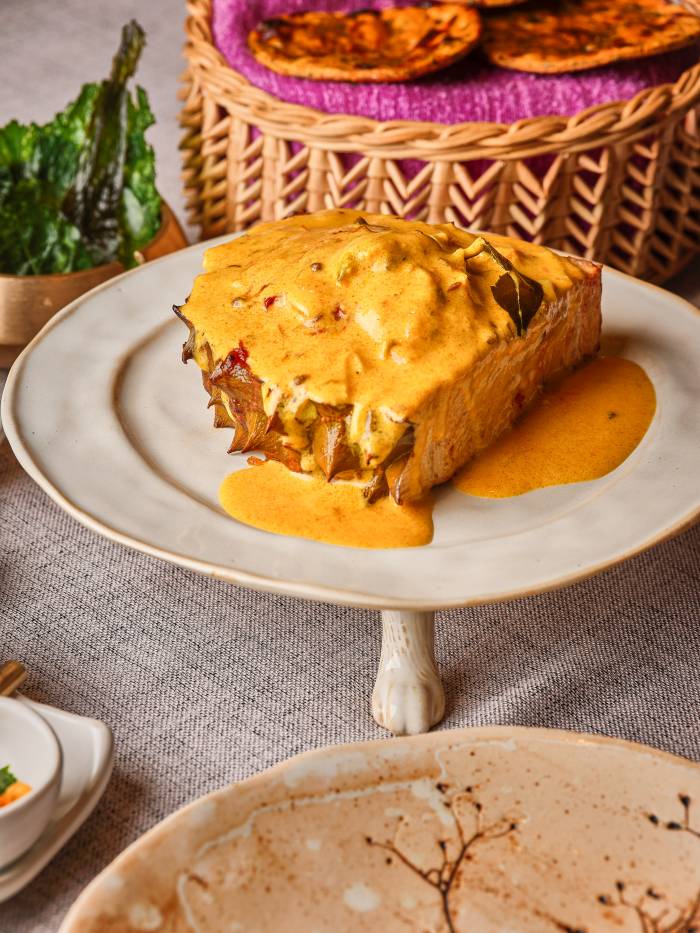
Putting India on the global culinary map
Garima Arora, a highly-acclaimed Indian chef, is creating a stir in the modern culinary world with her traditional Indian techniques.
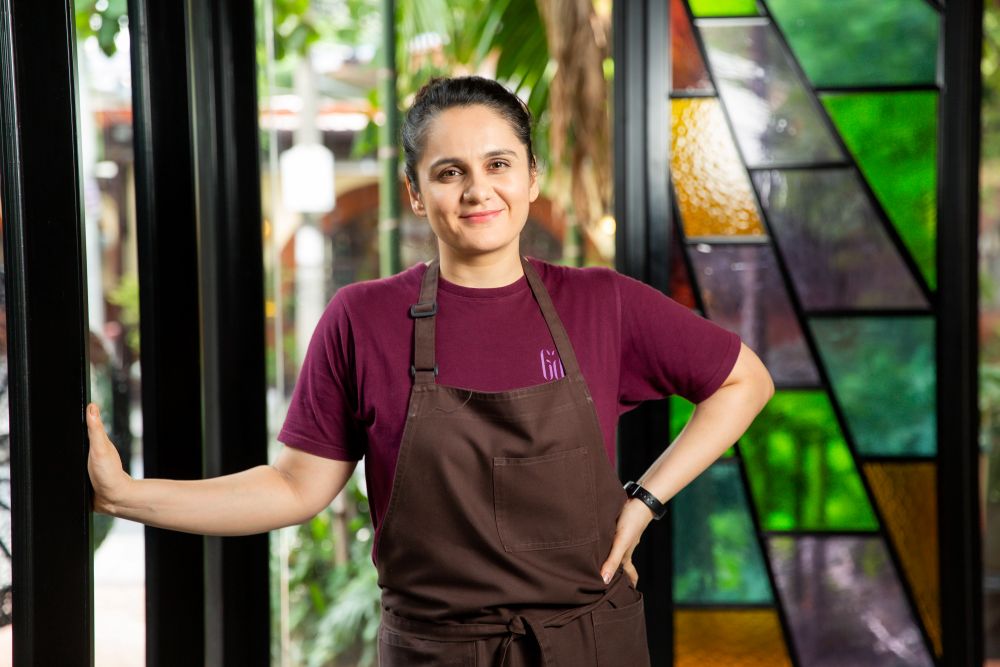
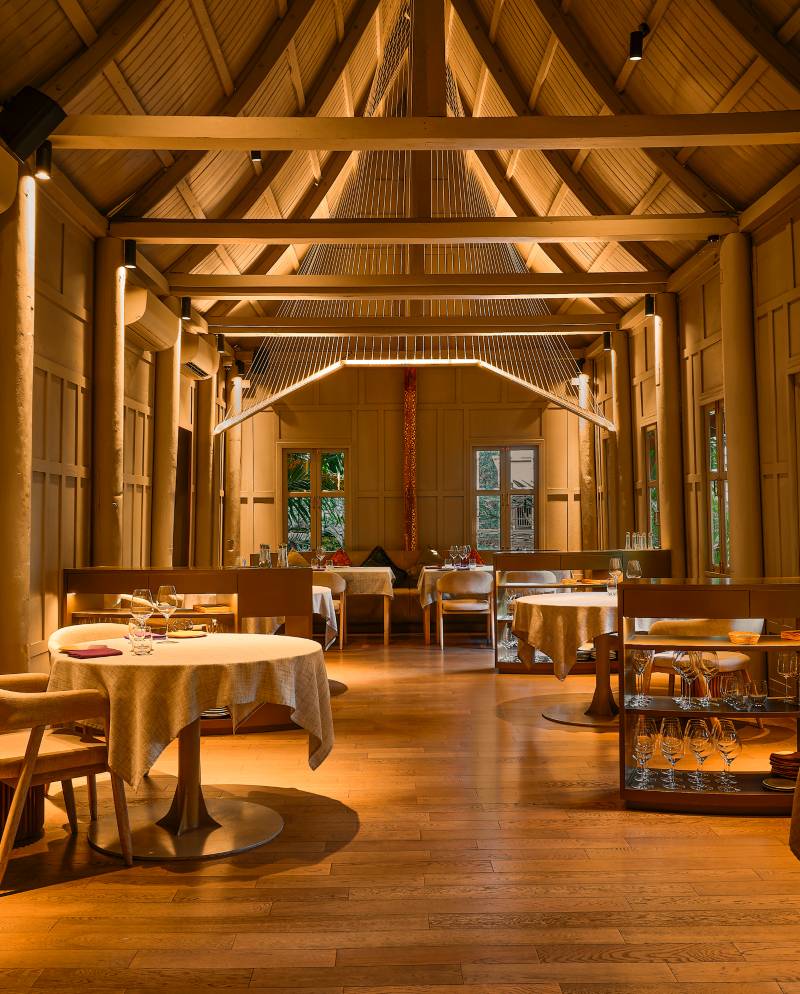
She is the chef and owner of Gaa, a three-storeyed fine-dining restaurant situated in a traditional Thai house in the heart of Bangkok along with her exquisite Indian Eatery & Wine Bar in Bangkok, HERE. She is also the founder of Food Forward India, a unique travelling and non-profit initiative discovering the multi-dimensionality of Indian cuisine. She takes her culinary skills to newer levels as she features as one of the prominent judges of MasterChef India Season 7, alongside renowned chefs Vikas Khanna and Ranveer Brar.
A culinary icon, she was honoured with a Michelin star, becoming the first Indian female to receive one at the age of 30. She attributes this prestigious award to her team’s dedication and hard work as well. A trailblazer in the culinary segment, Chef Garima leads an inspiring career for all future female chefs. In conversation with Chef Garima Arora, she discusses her passion and career.
From Creativity to Commerce
Setting up a restaurant in one's own country is no easy feat. What's it like opening one in a
foreign country? What are the ups and downs you had to face before you opened Gaa?
The language, the ingredients - there’s a lot that’s different when it comes to opening a restaurant in
a foreign country. But I always believe that if you surround yourself with the right people, things
happen. I’ve been blessed with a very good team that’s been with me since Day 1. The biggest challenge
was thinking as a chef to a businessperson - and no one can prepare you for it. One has to learn on the
job to make the switch from being creative to understanding the commercial side of things.
How do you approach menu development and creating dishes to showcase India through your creative
lens?
We concentrate highly on techniques, culture, and ingredients and then try to define what makes Indian
food Indian. Sometimes we start with an ingredient or technique and somewhere down the line they both
meet and something new comes out of it.
"We concentrate Highly on technique, culture, and ingredients and then try to define what makes Indian food Indian"
Philosophy and Initiatives
Of late, 'fusion cuisine' has been quickly gaining popularity. Do you think fusion cuisine is
the future of dining?
There are takers for each type of cuisine and food. No one should shy away from experimenting, having
fun and trying to push the boundaries. There’s scope for tradition, but as a cook and artist, you have
to have the freedom to have fun. The word ‘fusion’ comes with a lot of added baggage but that doesn’t
take away from the fact that food is democratic and one has the right to do anything they want to with
food as long as it tastes good and people enjoy it.
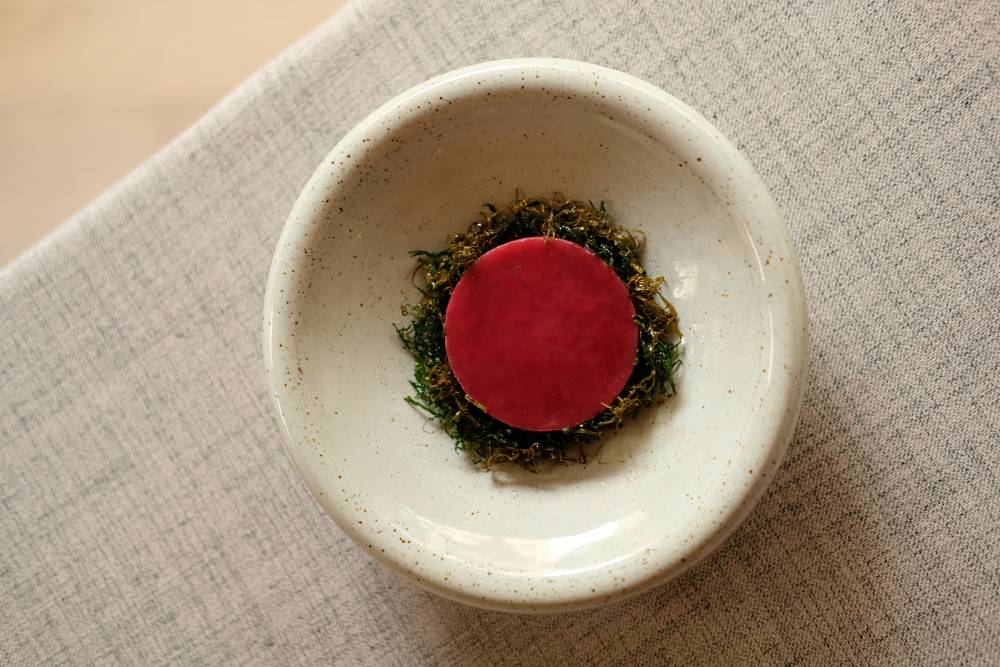
What inspired you to start your non-profit initiative - Food Forward India?
We were winning so many accolades and the idea was to always take the spotlight back to Indian food. The
idea was to make it a nomadic initiative where we travel to different rural, urban, and tribal areas
within states, understand why people eat the way they do, what makes Indian food Indian, and what makes
our food so unique.
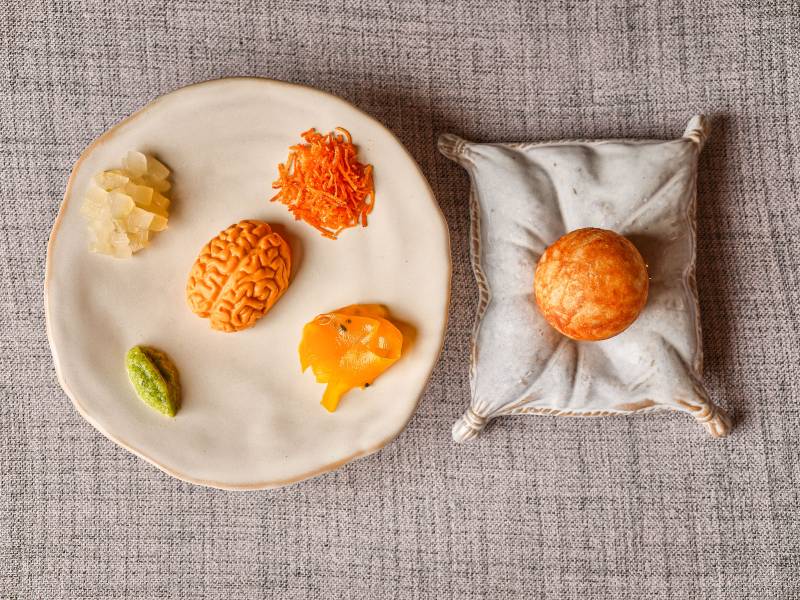
Mentorship on MasterChef India
As a much-loved judge of MasterChef India, can you describe your process for evaluating
dishes?
I always look for thought in a dish. I think it’s crucial to have a clear idea of why you’re putting
things together, and why you’re choosing a technique - I’m very curious to know why. I think this is
something I take back from my journalism days. When you answer why, who, which, when - as long as the
dish answers those questions and makes you think a little bit, I find that most interesting.
How do you balance constructive feedback with being honest and critical?
In professional kitchens, we are very direct, but when home cooks are making the transition, it’s
important to be patient and mentor them. I feel they should leave being better cooks than when they
started, taking away both soft and hard skills. Our job as judges is to condense everything we’ve
learned over years into this shuttle period for them.
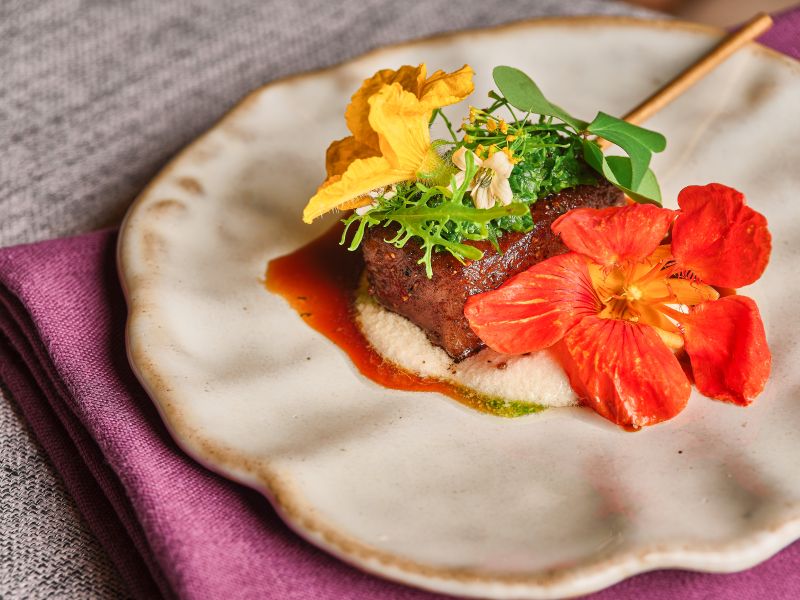
Can you describe a particularly memorable dish from your time as a judge?
One of the most moving dishes was the Holi edition where Santa Sarmah and Marina Balakrishnan made a
thali inspired by Krishna’s Holi in Varanasi. It was a beautifully put-together Satvik vegetarian meal
with so much love and respect in every single bite.
The 'Partner in Crime' Bond
Vikas Khanna shared a heartfelt post about your bond. Could you share some fun
incidents?
Meeting both Vikas and Ranbir (Ranveer) was one of the best things. They bullied me and pulled my leg,
but were always protective. Vikas would yell out “Baby ke liye coffee lao” or “nariyal pani lao,” and
then magically take it for himself, saying “Don’t worry, it’s a mistake.” Eventually, I realized they
were using me as an excuse to get treats! The entire production team played along, and we even started
calling him ‘Baby’ after a while.