ASSOCIATION OF TASTE
Described as turbulent, unpredictable, and unconventional, Paul Pairet has garnered an international reputation for his sophisticated, forward-thinking cuisine for over a decade.
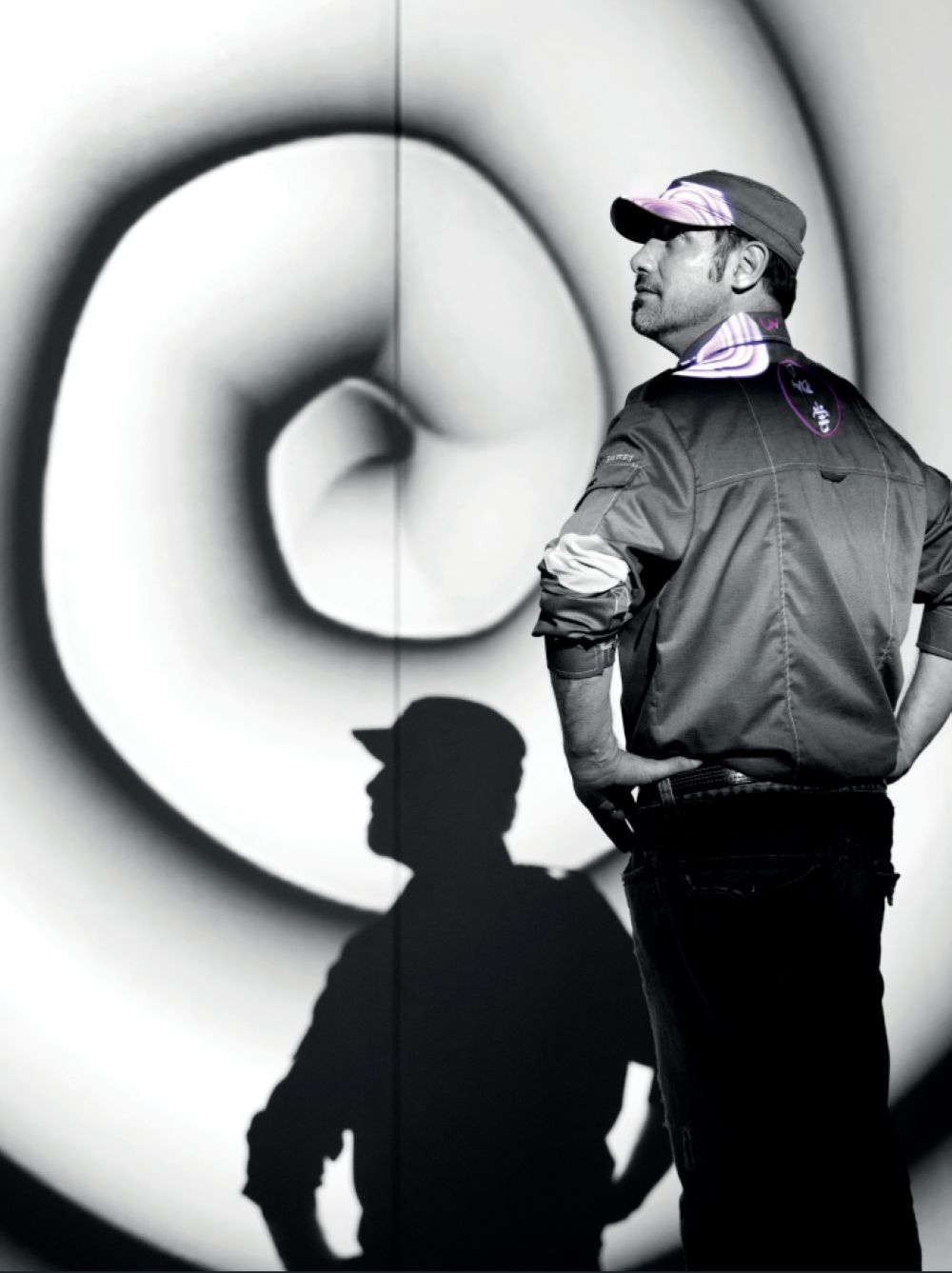
FOUR speaks to the chef and creator of three Michelin-starred restaurant, Ultraviolet, in Shanghai to learn more about his unique blend of experimentation and substance. Having followed Paul Pairet since the early days of opening Ultraviolet, it’s clear that this type of chef doesn’t come along very often. Steadfast in his dedication to an essentialist philosophy about what food and hospitality should be, his three-starred restaurant continues to be recognised for its daring experimentation, inspired dishes and, above all, its unique approach to the concept of taste.
After travelling the world with his craft – Paris, Hong Kong, Sydney, Jakarta, and Istanbul, Paul landed in Shanghai, a place that would finally allow his creativity to shine in a way that was true to him and his natural culinary style. “The move to Shanghai was originally to open Jade on 36, a fine dining for Shangri-La. It was a great chance to find somewhere where I had the freedom to express myself. It was important for me to find this space at that time because the field would have been much narrower if I had stayed in France or Europe. The move to Shanghai just happened to be the right place and at the right time for me to make sense of my career and facilitate my journey moving forward.”
The Evolution of a Concept
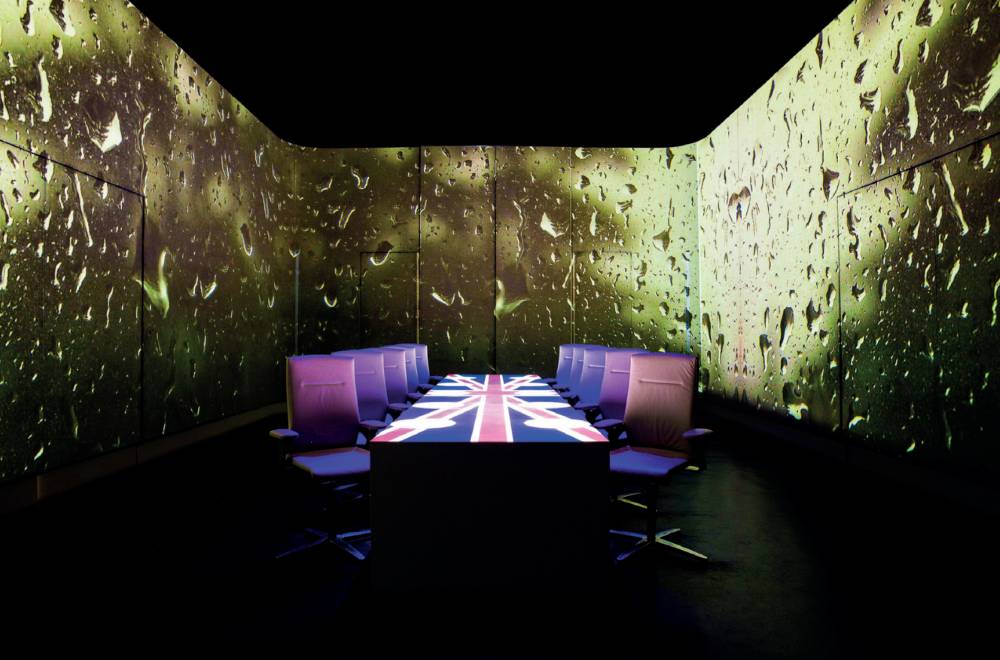
Having conceived the preliminary idea for his restaurant concept in Australia, in 1996, and coming close to opening a softer version in Paris with Baccarat, in 2002, Paul finally opened the 10-seat restaurant Ultraviolet, in 2012. “Without sounding conceited, Shanghai is also a place with the energy to support a project that was a bit forward thinking at that time. The early trials were much different from what we have now; it was just a simple table for 12 guests with dimmed light and a little music focused on each dish. I was a bit pretentious at that time, having a beard and thinking that I would play Jesus Christ by the end of the 'Last Supper'.”
“Now, we try to be a restaurant that is a good place to enjoy something more conceptual and edgy but also a place where the food has substance. As we say, Ultraviolet is avant-garde but figurative: with flesh and bone. Equally, although the layout may have slightly changed over the years, the core concept of Ultraviolet remains the same. I believe that to cook at one’s best, you need to get rid of the constraints of a classic restaurant, that is to say, à la carte. À la carte gives the guest a lot of freedom, but it constrains the cooking and prevents it from flowing naturally.”
Breaking the Constraints of À La Carte
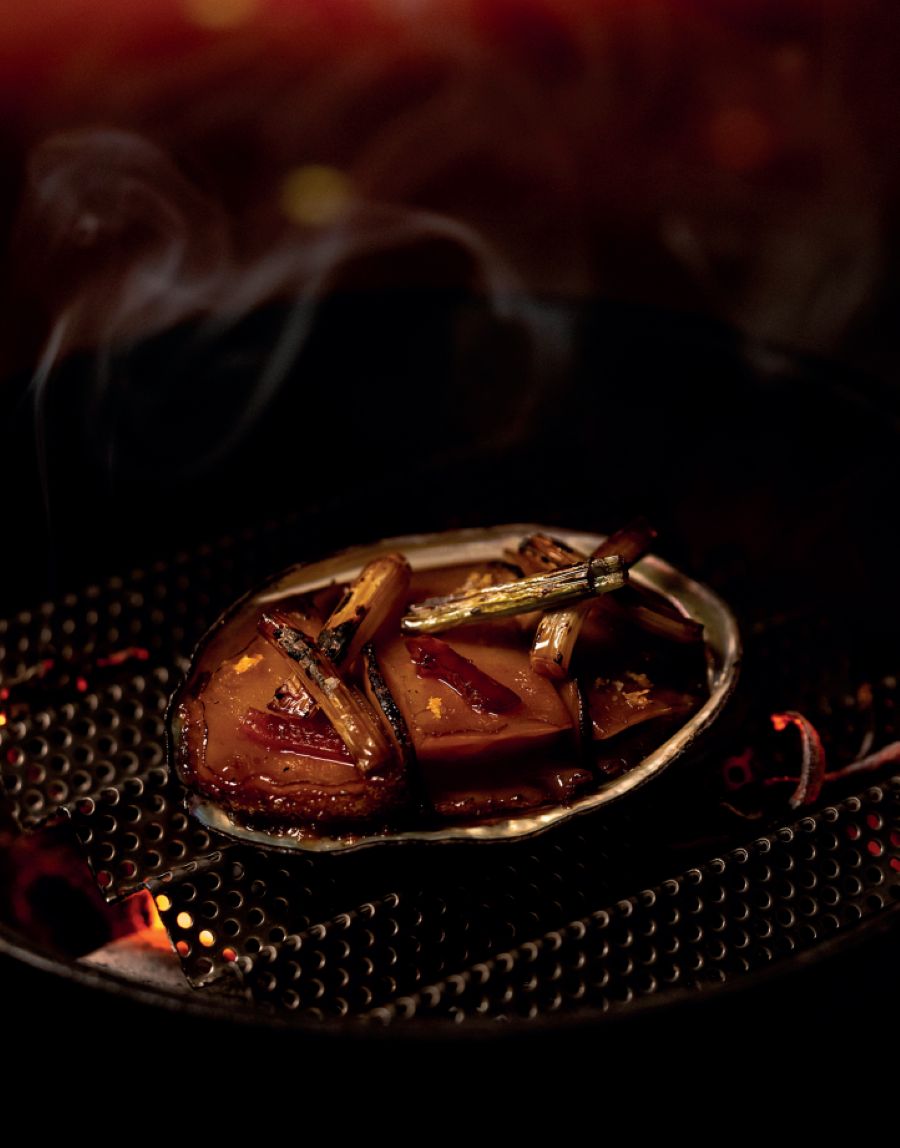
By this, Paul is referring to how food is pre-prepared or put in cold storage just in case someone might order it. He believes cooking should be more natural and something prepared freshly in the moment, not something cooked, assembled, and served according to an acceptable timeframe for typical restaurant standards. “As clever as mise en place is, especially for Michelin-star restaurants, this is somehow different from the natural way of cooking. The most organic form of cooking is inviting people over for a meal, and you cook and serve at the peak of the dish. It is a huge asset for a chef to be able to cook or to impose a dinner menu and to also be able to control the time.”
“To cook at one’s best, you need to get rid of the constraints of a classic restaurant, that is to say, à la carte. À la carte gives a lot of freedom to the guest, but it constrains the cooking and prevents it from flowing naturally.”
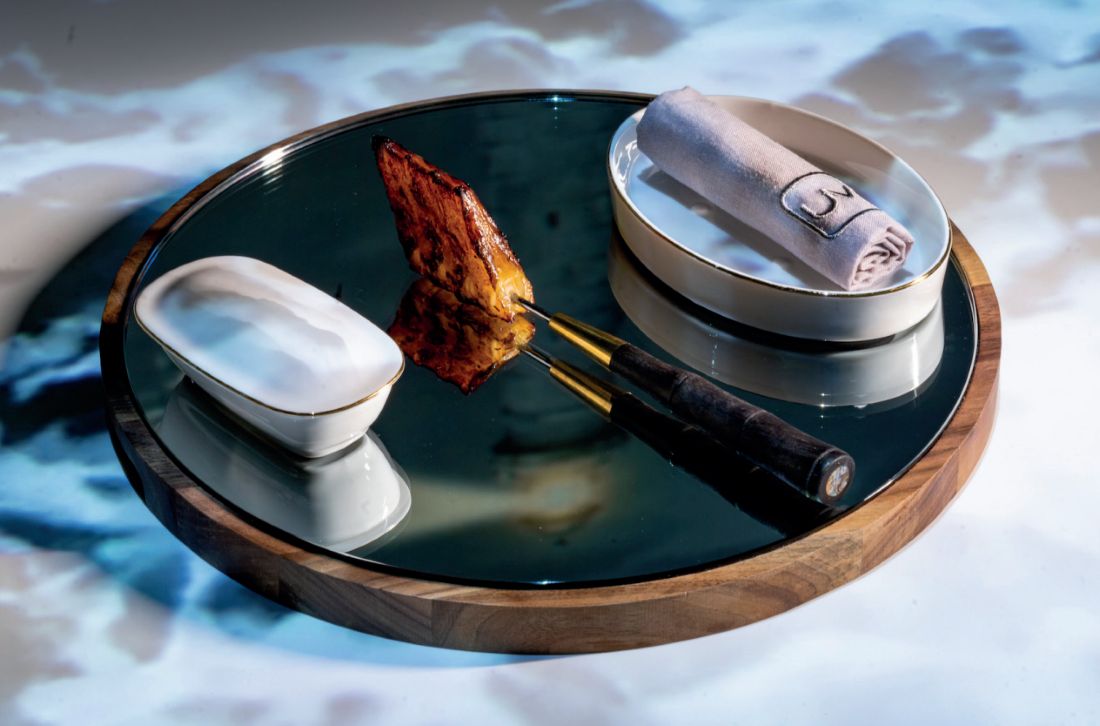
With this in mind, Paul wanted to find the freedom and fluidity of casual hospitality while delivering a truly memorable and avant-garde experience. By combining specific smells, textures, flavours, and techniques to stimulate the senses and call upon our subconscious, he embarked on what is now one of the world’s most unique and immersive dining experiences.
The Pattern of Consistency
“In terms of my cooking style, I haven’t really changed at all. Since we opened in 2012, the experience has remained the same. Naturally, the dishes have changed, but the pattern is the same. The menus are very complicated – the last menu was 4 years in the making – but the ingredients, the principle, and the way of thinking are all exactly the same, and I intend to keep it this way. This field is endless, so I am naturally evolving without trying. I am competing with very long menus in a very transient industry so that in itself forces me to constantly change and find new ways to continue to express the same message.”
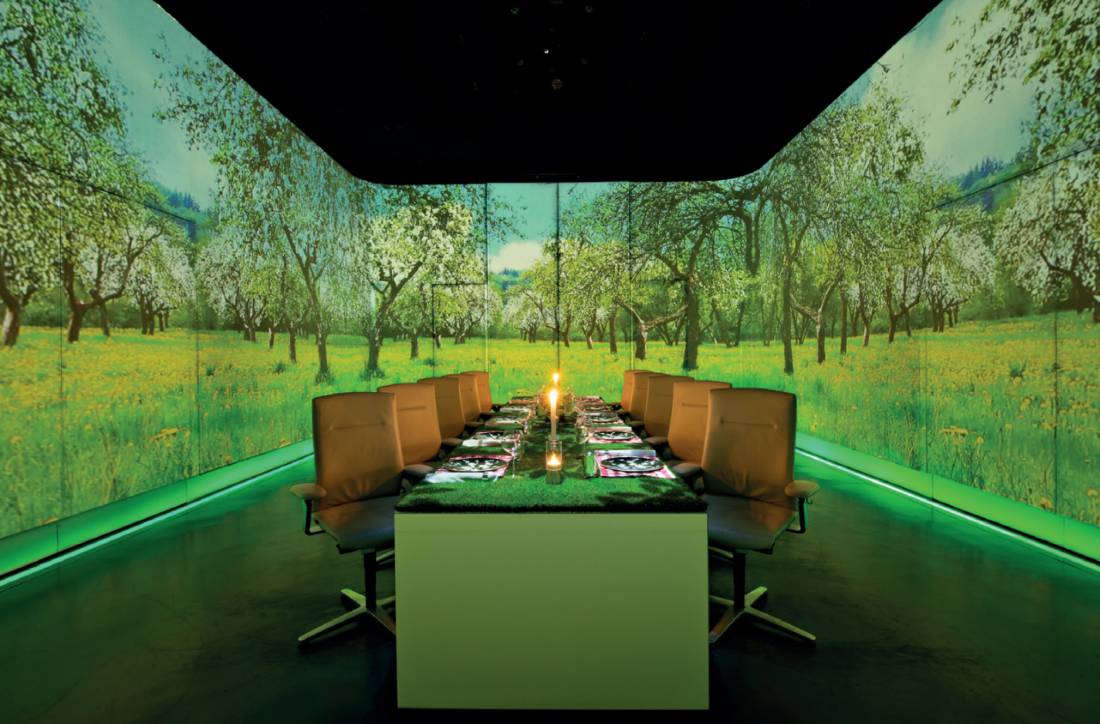
Rather than trying to change Ultraviolet to fit the changing demands of the industry, he has instead chosen to use it as a springboard to develop elsewhere. This has translated into his other restaurants, Mr & Mrs Bund and Polux, where Paul and his team can explore alternative formats but still based on the same fundamental approach: to find a balance between entertainment and intimacy. “At Ultraviolet, we have a whole ‘scenario’ for every dish, which includes tailor-made lighting, music, and ambience. The goal of every scenario is to create an atmosphere dedicated to each dish, which naturally prolongs the impression and memories of what you are eating.”
Exploring "Psycho-Taste"
Paul makes it clear that Ultraviolet is still a restaurant, and food remains paramount. “We prepare and control the entire context of the dish, which is generally not possible in other restaurants. For example, if you serve a mushroom in a kind of autumnal setting, with the right melancholic music, moody autumnal lighting etc., your experience of those flavours, smells, and textures are all exaggerated. I would say the common denominator between all my restaurants is level of taste.”
The aim is to draw people into what they are eating so they can delve into what he calls “psycho taste”: an exploration of our preconceived notions of taste based on memory, imagination, experience, and culture. “As a restaurant, we are not always perfect or precise; even Ultraviolet has dishes that are not the most sophisticated, but we make sure we use the same essentialist philosophy. Our aim is to drive the psycho taste and use our subconscious to create a tangible effect on what we are eating.”
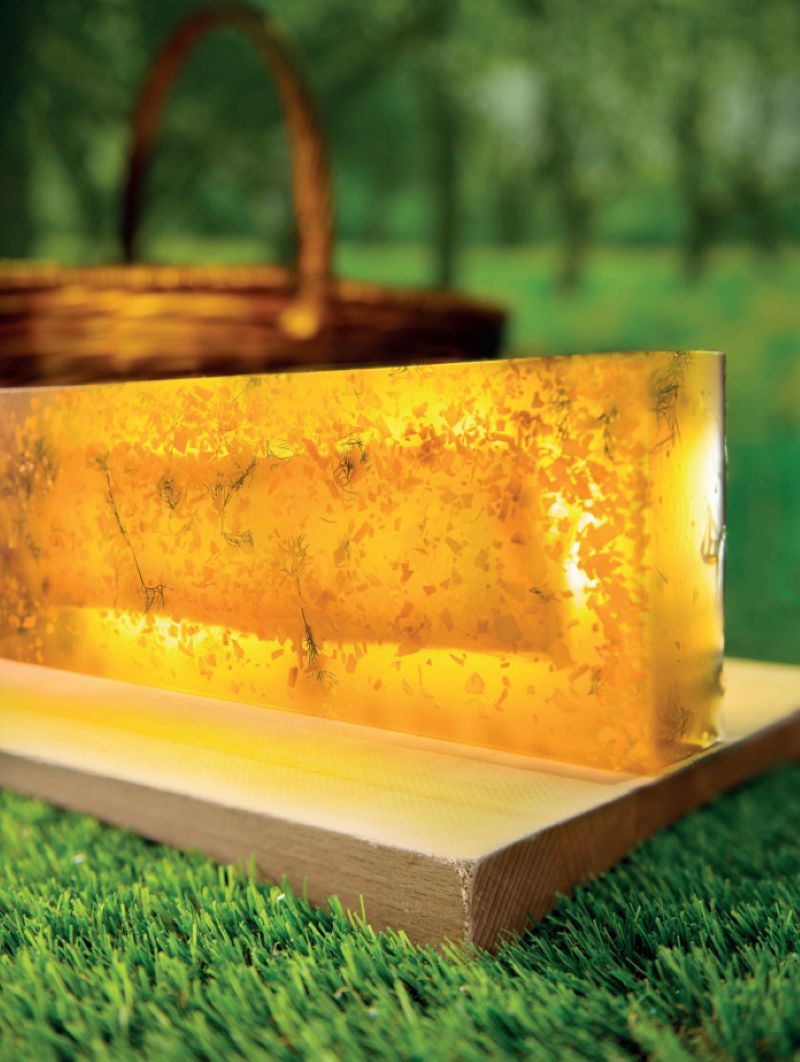
Interestingly, Pairet does not work with traditional seasonal philosophy. “The menu stays the same because the dishes are conceptual, and we adapt the ingredient requirements to wherever is producing the best quality for that time. If there is one element that is a seasonal element, like crab, for example, we will source whichever crab is tastiest and in season during the course of the year. But, we are not driven by this.”
The Creative Narrative
One dish from the latest ‘UVD’ menu demonstrating this is the ‘Bouillabaisse Nespressoup’. Encased within a Nespresso capsule, guests are delivered an instant, concentrated Espresso-like Fish Soup, served with a sugarcube-like bread crouton. “We follow the same curve that a traditional menu would use, starting slowly, crescendoing in the middle and then gradually peaking down to the end, but we just do this over 20 courses. Each dish has its own distinct personality... every course is designed to compensate for what came before and introduces what’s to come because it’s part of a larger narrative.”
With menus taking up to four years to develop, Paul has a mythological approach to creativity. “The period spent specifically creating new dishes is incredibly satisfying but very taking. It’s a hugely draining process that requires my full time and attention. Since 2012, we have created five menus, which are still available to guests. They don’t replace the last, just offer an alternative collection.”
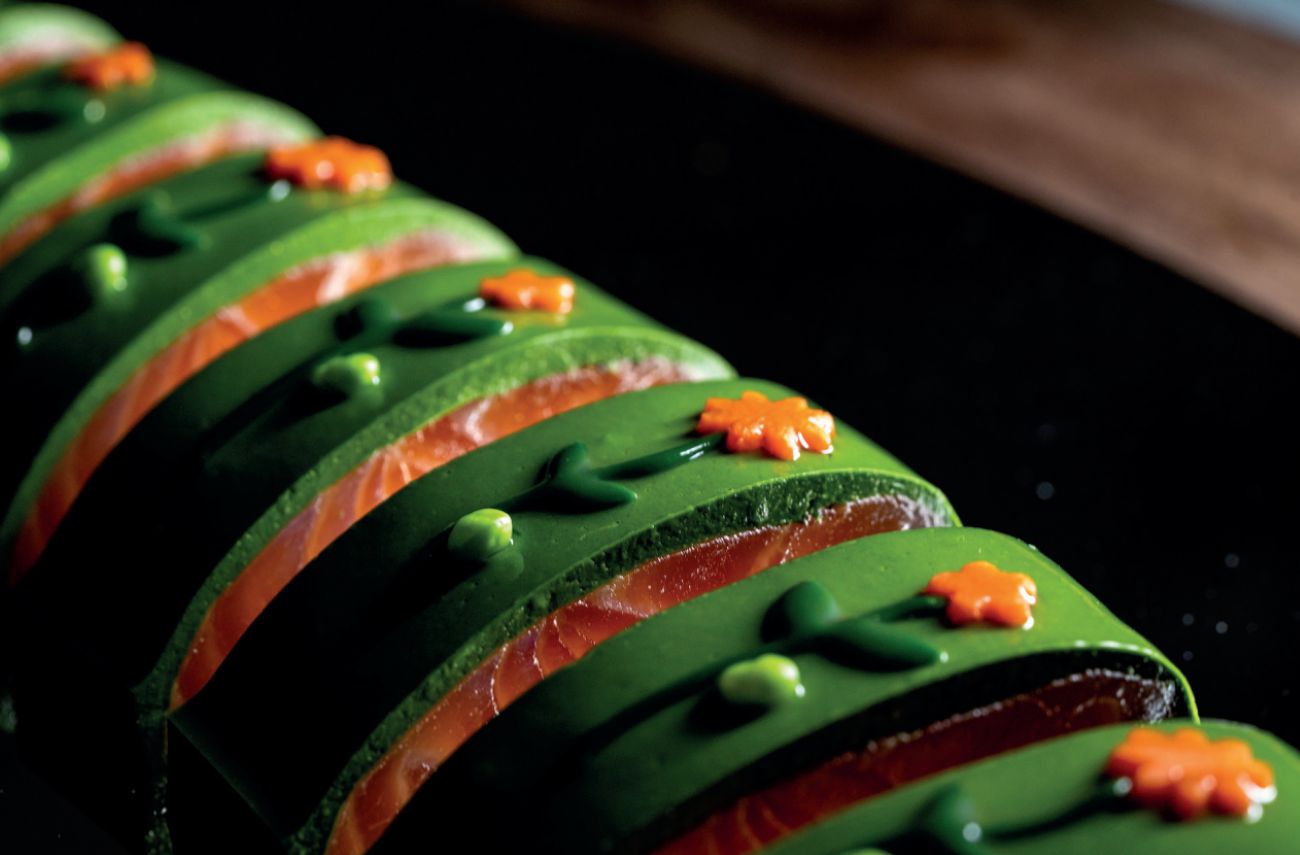
Reflecting on his journey, Paul notes: “The highest point in my career will remain the day I opened Ultraviolet. Those first dinners and that first service remain some of the best moments of my entire career. I feel proud to have created a three Michelin star with a concept that is not run-of-the-mill fine-dining. I have no need to express myself in any other way because I have everything I need with Ultraviolet. There is no reason to change what I am doing and why I am doing it because this is who I am, not what I do.”