Bobby Mukherrji Architects: Holistic, Customer-Centric Design
Bobby Mukherrji Architects partners with developers to create iconic commercial and residential buildings. Their global projects prioritise innovative design, environmental sustainability, and market appeal.
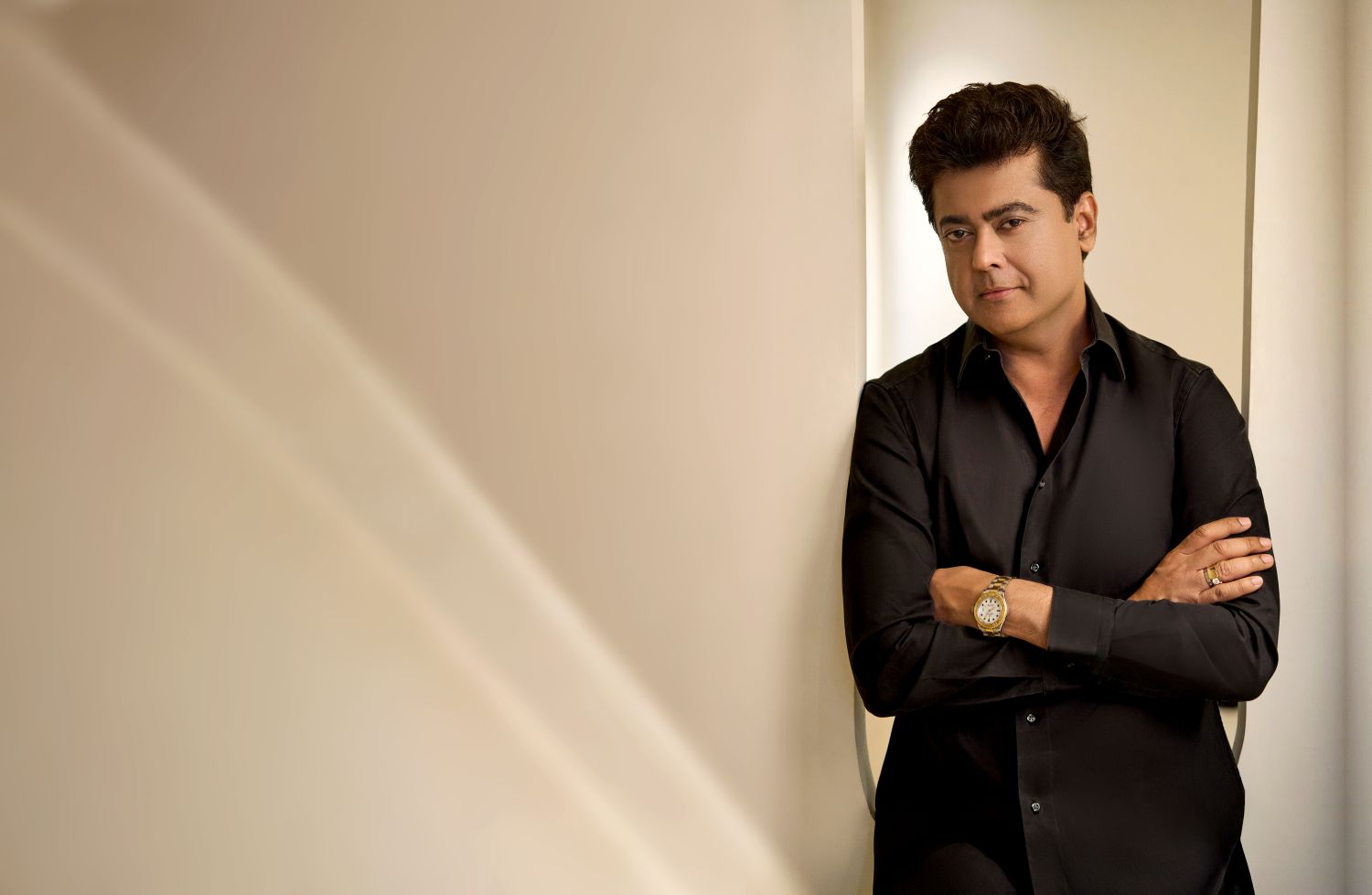
Bobby Mukherrji, Principal of Bobby Mukherrji Architects (BMA), always gravitated towards art and won several accolades for this talent from a young age. His early exposure to the business of real estate and the realisation of its power to shape cities and lives were instrumental in his selecting architecture and design as a career.
Bobby established Bobby Mukherrji Architects in 1992, while still a student of architecture, but with great faith in his creativity. His professional experiences worldwide, specifically in New York and Los Angeles, further honed his talent and professionalism. Each project designed by Bobby Mukherrji Architects is shaped by an intrinsic understanding of architecture, art, design, technology, and landscape.
1. What initially inspired your passion for architecture?
From a very young age, I was surrounded by creativity, performance, and design. My parents’ deep involvement in theatre exposed me to the world of light, form, and storytelling. I became fascinated by how spatial composition could evoke emotion and how light could define mood and movement. Architecture allowed me to combine imagination with precision, creating experiences that are both expressive and functional. The idea that one could shape the way people live, interact, and feel through design was incredibly powerful to me.
2. Your family’s connection to stage design and lighting for theatre is notable. How has this influenced your approach to architectural design and lighting concepts?
Theatre teaches you the power of atmosphere and how light, shadow, and movement can transform emotion. My early exposure to stagecraft made me see architecture as choreography; every space, like a scene, must have rhythm, anticipation, and focus. Lighting became my narrative tool, not a technical afterthought, but a layer that shapes the drama and soul of a space. This sensibility works beautifully in hospitality and public projects, where guests come for a short, immersive experience, a day, a week, perhaps more, and the space can afford to be expressive and theatrical. But when it comes to homes or workplaces, that drama must evolve into something more personal and restrained. The theatricality doesn’t disappear; it becomes subtle, woven into warmth, comfort, and identity. In residential design, the protagonist shifts: it’s the family, the individual, the daily life, and the story unfolds around them.
3. As the first Indian architecture and interior design firm to establish a studio in Milan, how do you compare the architectural approaches and cultural influences of Italy and India?
Milan has a way of pulling you into its world of design. You don’t have to be Italian to feel the city itself teaches you. Everything there, from a street café to a window display, is rooted in design thinking. Even a cab driver has an opinion on style! It’s a place where design and culture are part of daily life. Having a studio has been a big advantage for us. The team brings in that innate sophistication, that quiet sense of refinement that aligns beautifully with how I think about design.
4. What key qualities do you seek in the professionals you collaborate with to ensure successful project outcomes?
Individuals who are not only technically sound but also emotionally invested in design. Integrity, curiosity, and resilience are the most valuable qualities. A great team member must be able to listen to clients, to context, and to the design itself. They should have the confidence to express ideas but also the humility to evolve them. I value cross-disciplinary thinking: people who can move seamlessly between creativity and practicality.
5. Your firm is renowned for placing the client at the heart of its design solutions. How do you build meaningful connections with clients to understand their vision?
It starts with listening, really getting to know their dreams, their worries, and what success means to them. Many of our clients, especially in hospitality and real estate, are first-timers. We often find ourselves guiding them closely, helping turn their ideas into spaces that not only inspire but also deliver strong returns. It’s a very collaborative process. We involve them from the start, making sure they feel heard and part of every key decision.
6. Could you walk us through the design process you follow to complete a project?
For me, every project begins with really listening to the client, to the site, and to what the space itself wants to become. It’s about understanding how people will live, move, and feel there. Once that story starts forming, we begin exploring ideas, sketching, modelling, and experimenting until a clear narrative emerges. From there, it’s about refining: choosing materials, light, and texture that bring the idea to life. Execution is where collaboration becomes key, where architects, engineers, craftsmen, and clients all work toward one shared vision.
7. How do you integrate and uphold sustainable practices across your architectural projects?
Sustainability, for me, starts with respect for the land, the climate, and the people who will use the space. It’s not about ticking boxes, but about designing responsibly. We always try to make the building work with nature, not against it, using light, wind, and orientation to our advantage. We prefer local materials and craftsmanship because that automatically reduces waste and adds authenticity. In larger projects, we bring in smart systems for energy and water use, but technology is always there to serve the environment, not to overshadow it.
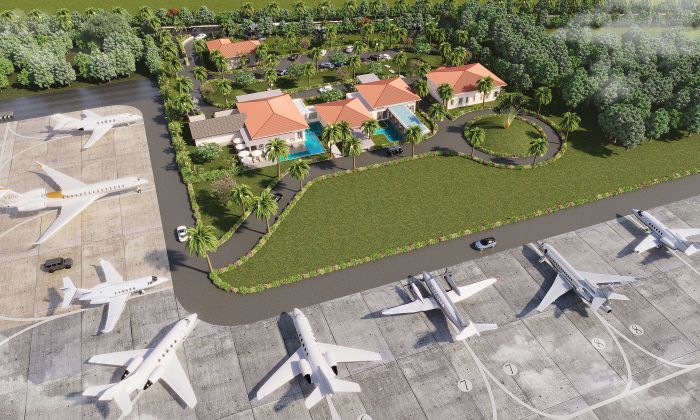
8. Having completed projects in over 20 countries, which country presented the most significant architectural challenges?
Every country brings its own set of challenges, but designing the private jet terminal in St. Kitts, in the Caribbean, was truly a one-of-a-kind experience. The island’s climate, geography, and ultra-luxury expectations demanded a design that balanced resilience with refined comfort. We were creating a gateway for the world’s elite, yet it had to feel relaxed, rooted, and unmistakably Caribbean.
9. Which project in your portfolio has been the most fulfilling, and what made it particularly meaningful to you?
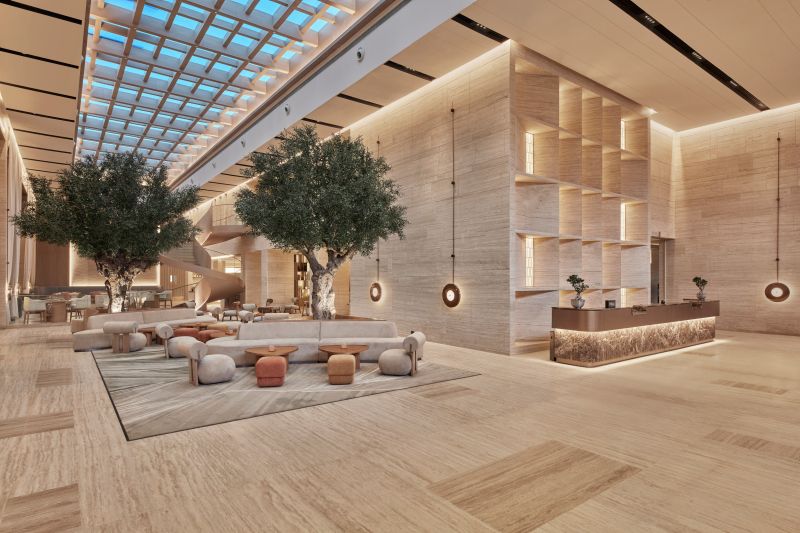
The Hilton Gurugram Baani City Centre has been one of the most fulfilling projects in my portfolio. With over 223 keys, it stands as Hilton’s flagship for India and was envisioned as an urban resort where business and leisure blend seamlessly. What made it especially meaningful was the design philosophy, “luxury felt, not forced.” At the heart of the hotel stands a centuries-old preserved olive tree, illuminated beneath a triple-height skylight. This living sculpture became the emotional and spatial anchor of the project, a symbol of serenity amidst the city’s bustle.
10. Your work has earned global recognition through numerous international awards. How do you consistently deliver innovative designs while adapting to the evolving global architectural landscape?
For me, innovation isn’t about chasing what’s new; it’s about staying curious and relevant. The world changes fast, but the core of good design remains the same: clarity, honesty, and emotion. At BMA, our team brings diverse perspectives, including architects, designers, artists, and even technologists, which keeps the ideas fresh. We’re constantly exploring new materials and methods, but always with a focus on how people will feel in the space. I believe the best designs don’t scream for attention; they simply belong. That balance between modern thinking and timeless sensibility is what keeps our work evolving yet grounded.