The Future of Bespoke Luxury
At Milan Design Week 2024, Lexus presented an innovative exploration of the future of mobility through two captivating installations that delved into the concept of time, highlighting the evolving relationship between software and hardware, sustainability, and the broader human experience.
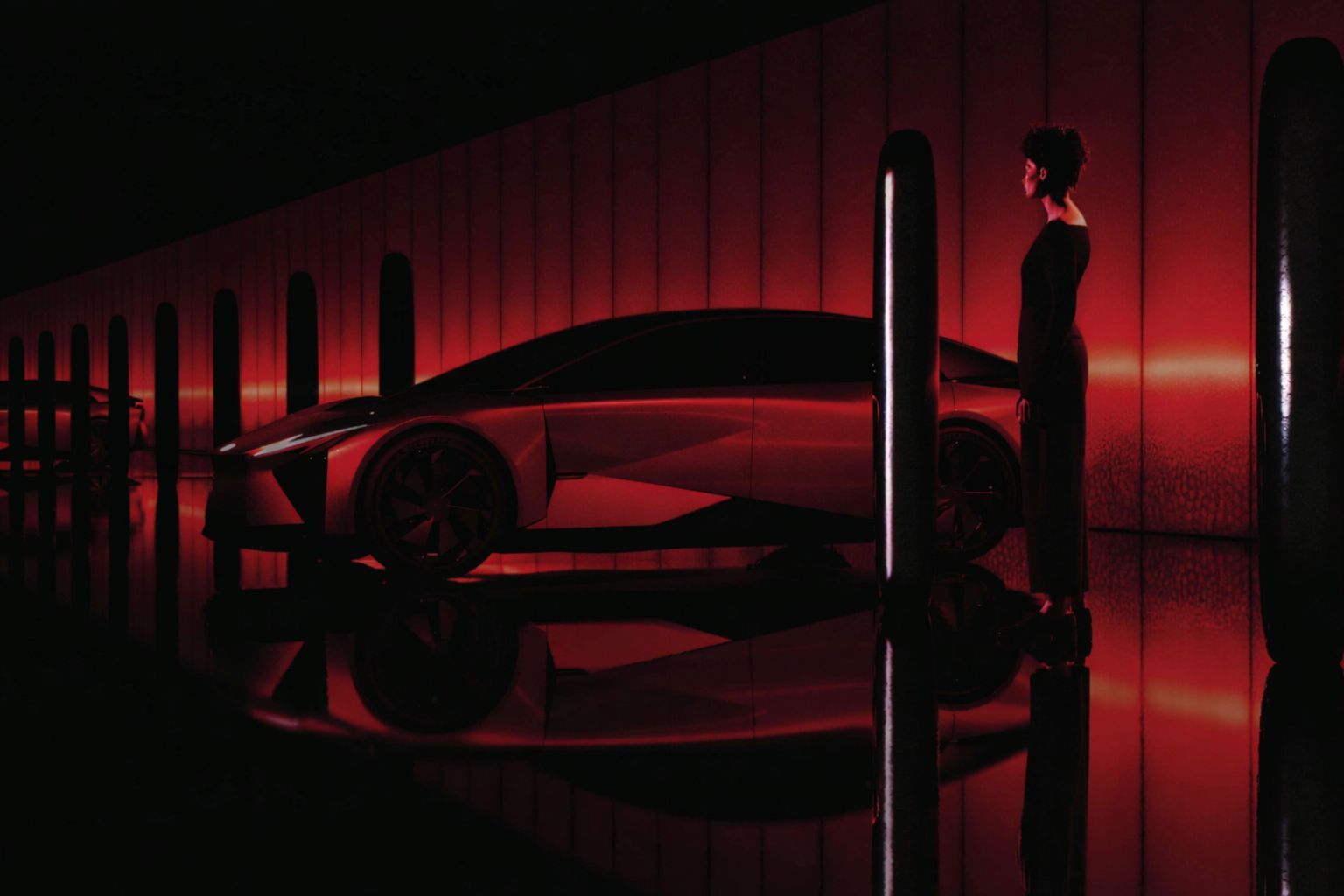
Lexus has always challenged the conventions of automotive luxury, continuously expanding its horizons through groundbreaking products and services. The brand envisions a future where software and energy play a pivotal role in transforming the automotive landscape, creating an unparalleled and personalised driving experience. By integrating advanced software that intuitively adapts to each user’s needs, Lexus offers a dynamic platform that evolves and expands over time, delivering unique experiential value.
This approach is not just about redefining luxury; it’s about driving innovation in mobility while actively contributing to a carbon-neutral future. Through this synergy of cutting-edge software and sustainable energy, Lexus aims to set a new standard in the automotive industry, where technology and eco consciousness work hand in hand.
At Milan Design Week 2024, which took place from 16 to 21 April, Lexus presented “Time”, an exhibition that explored this relationship between people and technology, emphasising the importance of time as the starting point for unique experiences. The world’s largest annual design event, Milan Design Week attracts designers, architects, artists and creatives from across the globe. Held at Superstudio Più in the city’s Tortona design district, the highly anticipated event serves as a platform for exploring new trends, technologies and concepts that shape the future of design and lifestyle.
For its two installations at the 2024 edition, Lexus collaborated with renowned artists Hideki Yoshimoto of Tangent, musician Keiichiro Shibuya and solar designer Marjan van Aubel to create a multisensory experience that challenged visitors’ perceptions of mobility, time and sustainability. Titled “Beyond the Horizon” and “8 Minutes and 20 Seconds”, the installations invited visitors to experience the future of mobility through light, sound and interactive elements, reflecting Lexus’s pursuit of a harmonious balance between luxury, technology and sustainability, with a focus on the next-generation Lexus Battery Electric Vehicle (BEV) concept, LF-ZC.
“Beyond the Horizon”: A Journey into Next-Generation Mobility
“Beyond the Horizon”, conceived by Japanese designer Hideki Yoshimoto, founder of London-based studio Tangent and a past winner of the Lexus Design Award, gave visitors an insider’s look at Lexus’s visionary approach to mobility. Inspired by a future where software-defined vehicles evolve synchronously with their users, the installation featured ten interactive sculptures, each emitting a unique display of light, accompanied by a captivating soundscape created by renowned musician and composer Keiichiro Shibuya.
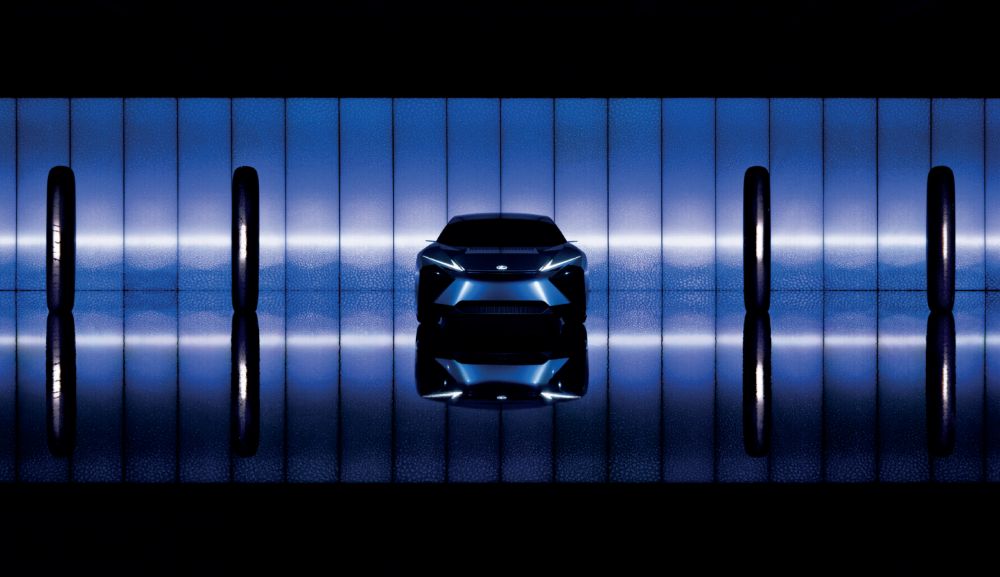
The immersive journey began with a line of two metre-tall sculptures, each casting different expressions through varying light patterns. These sculptures were designed to evoke the evolving landscape of future mobility, where vehicles adapt and update to meet individual needs. In the centre, the LF-ZC concept vehicle acted as a guide, leading visitors through the continuum from dawn to dusk and beyond.
The Lexus LF-ZC, a next-generation BEV, symbolises the brand’s commitment to innovation and exploration. Representing the convergence of hardware and software, it reimagines the automotive experience, serving as a beacon of Lexus’s devotion to sustainability, personalised luxury, human-centric experiences and forward-thinking design.
“The installation incorporated Echizen Washi paper, a traditional material with a history spanning over 1,500 years, to signify Lexus’s passion for preserving heritage while embracing innovation.”
One of the unique aspects of “Beyond the Horizon” was its fusion of traditional Japanese craftsmanship with cutting-edge technology. The installation incorporated Echizen Washi paper, a traditional material with a history spanning over 1,500 years, to signify Lexus’s passion for preserving heritage while embracing innovation. The Washi paper, infused with bamboo fibres and stretched across a massive 120-square-metre screen, not only served as a nod to Lexus’s eco-conscious endeavours but also illustrated the brand’s reverence for Japan’s traditional materials.
Keiichiro Shibuya’s sound installation, “Abstract Music”, complemented the visual elements of “Beyond the Horizon” with an evolving auditory experience that pushed the boundaries of sound and technology. The soundscape, generated in real-time through artificial intelligence, moved fluidly among 31 speakers, creating a unique and ever-altering environment. This dynamic interaction of light, sound and technology encapsulated the spirit of “Beyond the Horizon”, offering visitors a bespoke journey through Lexus’s vision of future mobility.
“8 Minutes and 20 Seconds”: Embracing Solar Design for a Carbon-Neutral Future
The second installation, “8 Minutes and 20 Seconds”, was the work of award-winning Dutch solar designer Marjan van Aubel and explored Lexus’s commitment to advancing mobility innovation while striving for carbon neutrality. The name “8 Minutes and 20 Seconds” refers to the time it takes sunlight to reach the Earth’s surface, drawing attention to the central role of solar energy in this creative piece.
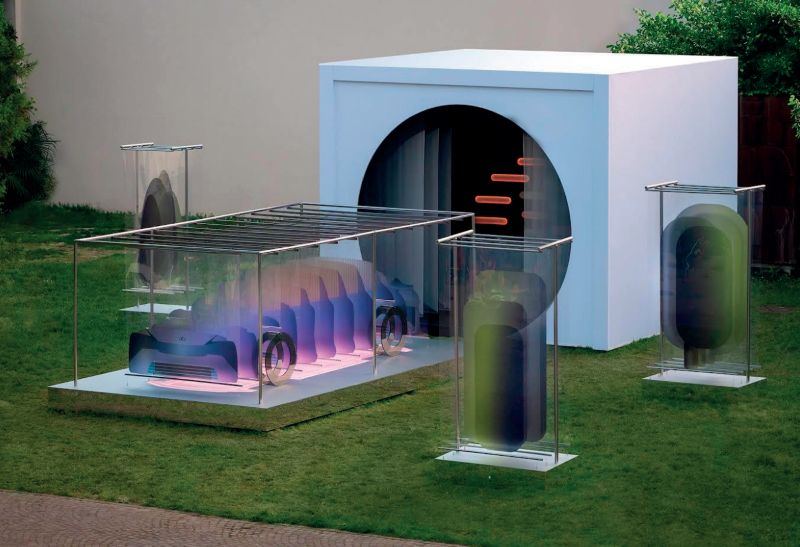
The installation featured a to-scale replica of the LF ZC concept vehicle, reimagined through van Aubel’s pioneering use of solar technology. Surrounded by holographic trees and a reflective seating area, the concept car was positioned against a backdrop of an interactive sun, highlighting the synergy between technology and nature.
The use of sixteen of Marjan’s Sunne solar lamps, arranged in a circle, created a continually changing visual experience. Visitors could each trigger a personal sunrise by touching a sensor made from a bamboo-based fabric developed by Lexus, illustrating the concept of individualised experiences within a broader sustainable context. The rustling of bamboo in the surrounding soundscape further fostered a connection to the natural world.
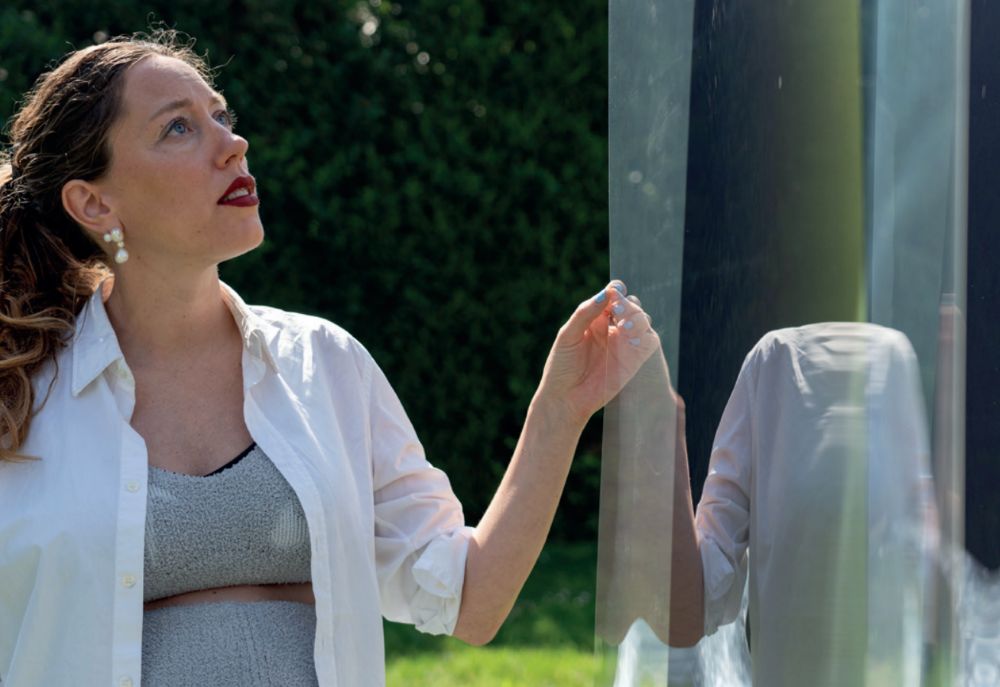
A graduate of London’s esteemed Royal College of Art, van Aubel is renowned for her innovative solar designs that seamlessly integrate solar power into daily life — a concept aligned with Lexus’s overarching vision for a carbon-neutral future. Her installation’s use of Organic Photovoltaic (OPV) cells and their harmonious interaction with visitors underscore Lexus’s commitment to redefining luxury through renewable energy and eco-friendly practices.
Inspiration from the Lexus LF-ZC Concept
Both installations prominently spotlighted the Lexus LF-ZC, a next-generation BEV concept that serves as a catalyst for electrified experiences. The LF-ZC represents Lexus’s vision for an automotive future defined by elevated driving dynamics, uncompromised design and new exclusive services. It embodies Lexus’s promise to create cars that enrich the lives of its discerning customers while contributing to a carbon-neutral world.
The LF-ZC is not only visually striking but also emblematic of Lexus’s allegiance to human-centred design. The seamless integration of hardware and software enhances the driving experience, allowing vehicles to anticipate and evolve with their users. The concept car’s incorporation of bamboo and other sustainable materials aligns with Lexus’s dedication to crafting products that are both beautiful and environmentally conscious.
Through the LF-ZC concept vehicle, Lexus reimagines the automotive landscape, emphasising that time is not just something that passes but the starting point of all special experiences. As Lexus continues to push the boundaries of mobility and embrace innovation, the brand’s presence at Milan Design Week reaffirms its position at the forefront of automotive design and sustainability.