Inside Studio Lotus: 23 Years of Conscious Design
Launched in 2002, Studio Lotus has evolved into one of India's most innovative interdisciplinary practices, proving that meaningful design emerges from restraint, local wisdom, and collective genius.
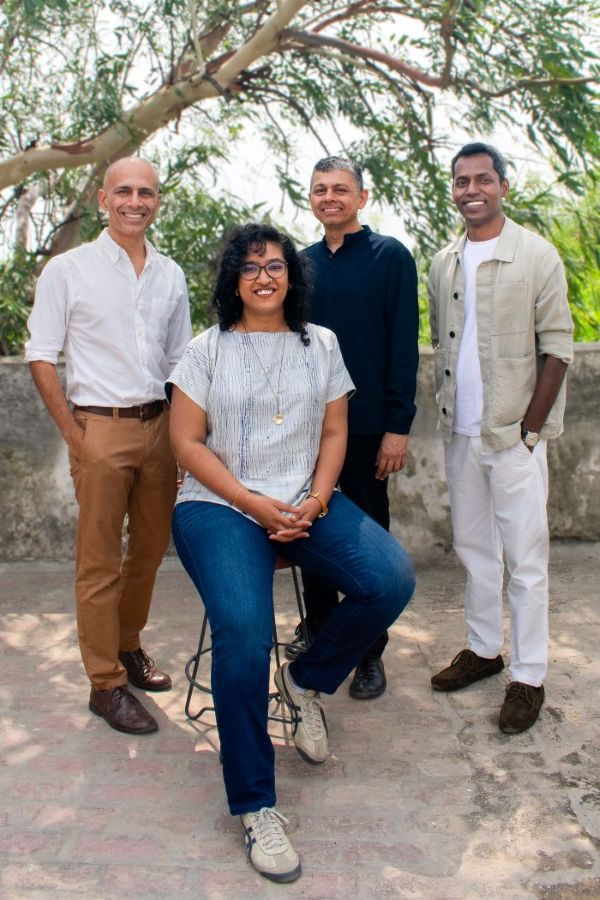
As an interdisciplinary design practice in Delhi, Studio Lotus thrives on a culture of constant learning. With a team of more than 100 talented individuals, the firm views sustainability not just through an environmental lens, but as a cultural and social imperative. Their work is rooted in Conscious Design—an approach that draws from local materials, collaborative input, and a sharp eye for detail.
Their accolades are a testament to this vision: 12 straight years on the AD 100 list, World Holiday Building of the Year at WAF, and a spot on Archello's 2024 list of the world's top 100 architectural firms.
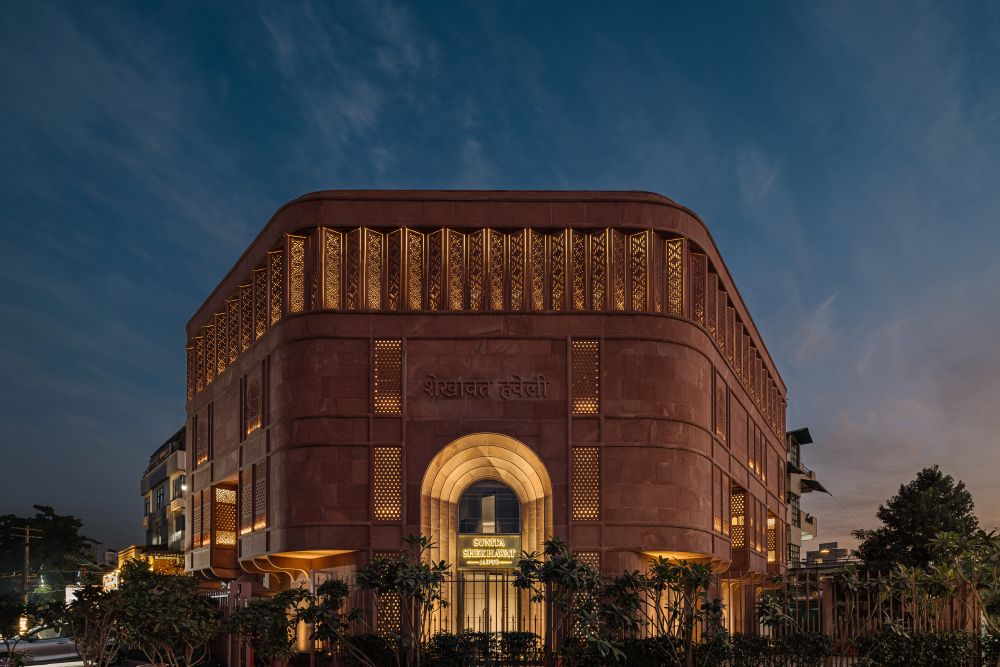
FOUR: How has your vision for conscious design evolved over 23 years?
Ambrish Arora: When we began, conscious design was instinctive—a response to context with limited resources. It has evolved into a deliberate set of values. We emphasize frugal innovation, doing more with less, and repurposing underutilized buildings. We often ask: "How can we redefine luxury for it to be exciting and responsible? Could the local be made aspirational?"
FOUR: Studio Lotus emphasizes "intrapreneurship." How do you foster this culture?
Harsh Vardhan: We use a highly collaborative hub-and-spoke model where team leaders run mini-studios within the larger practice. Democracy and transparency are key; principals act as facilitators to enable design thinking. As we grow, we decentralize decision-making to empower our teams.
FOUR: Can you discuss a project where local resources were pivotal?
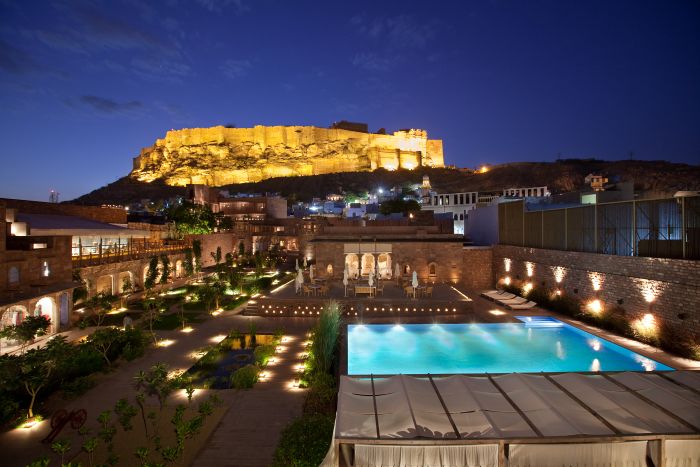
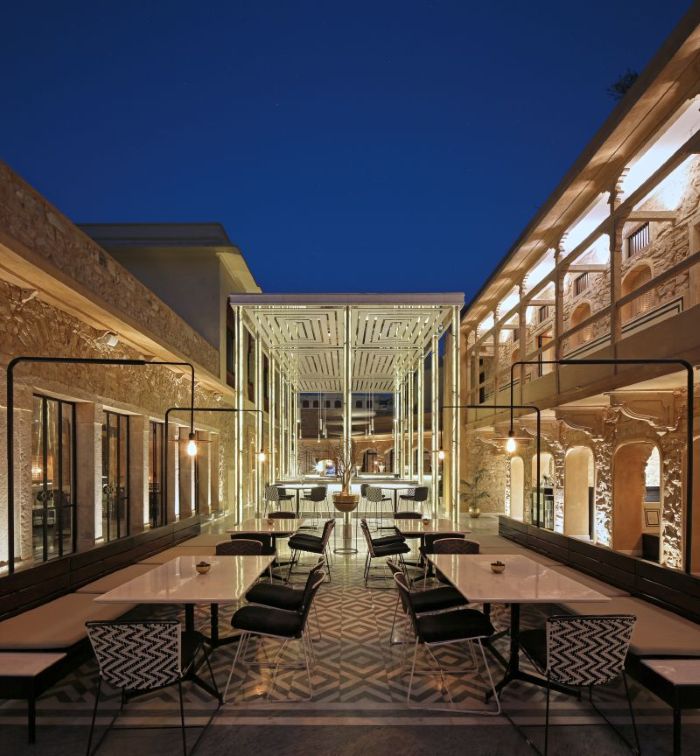
Ankur Choksi: For the RAAS Jodhpur project, traditional stonemasons cut local sandstone by hand to create a contemporary pattern of graded slits. This sustained employment produced a texture impossible through mechanization and reduced environmental impact—the embodied carbon was one-fifth that of water-jet processes. Artisans become co-authors in our process.
FOUR: How do you approach integrating sustainability across varied projects?
Ambrish Arora: Sustainability isn't a layer; it’s a core value. We prioritize minimizing harm and enabling continuity. The challenge is mindset: sustainability is often seen as a compromise. Our work aims to show that beauty and delight emerge from constraints, and that meaningful design emerges from restraint.
"For us, luxury is raising the value of the indigenous through a high degree of craftsmanship and skill."
FOUR: Architecture—logical and technical, or creative and free-flowing?
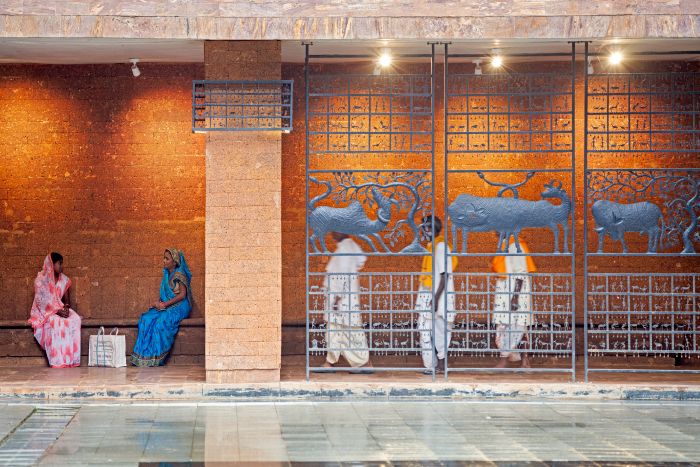
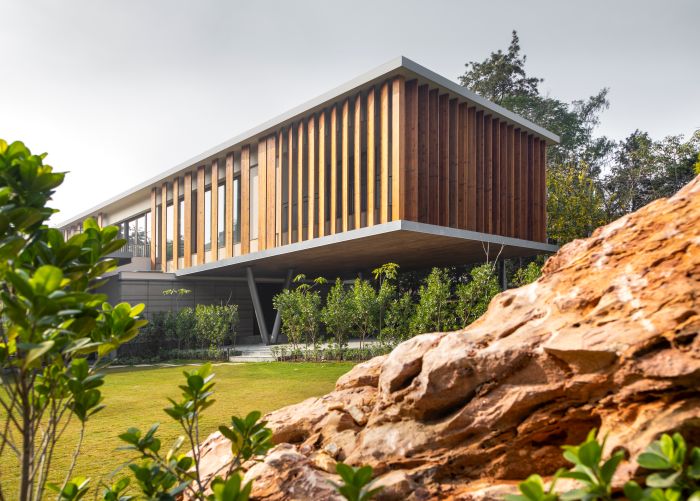
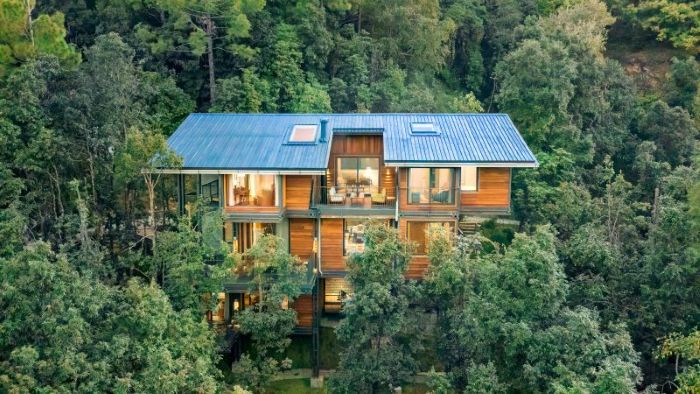
Asha Sairam: It is iterative—technical rigor informs intuition. We believe in Collective Genius. At Krushi Bhawan, we worked with over 50 local artisans. At Villa in the Woods, we collaborated with structural engineer BL Manjunath to create a structure where columns and beams are interwoven for seismic elasticity.
FOUR: Which under-explored Indian materials excite you?
Asha Sairam: Materials that carry climate intelligence. Lime plasters and earth mixes offer breathability; laterite and Khondalite hold heat well in coastal zones; waste stone can be elevated through craft. These choices challenge the idea that luxury must be imported.
FOUR: How do you maintain consistency over decades?
Ankur Choksi: The constant is our value system; the variable is the form it takes. Internally, breaking silos is key—our teams collaborate across projects for cross-pollination. Our hope is to keep questioning what it means to build meaningfully in a country as complex as India.